
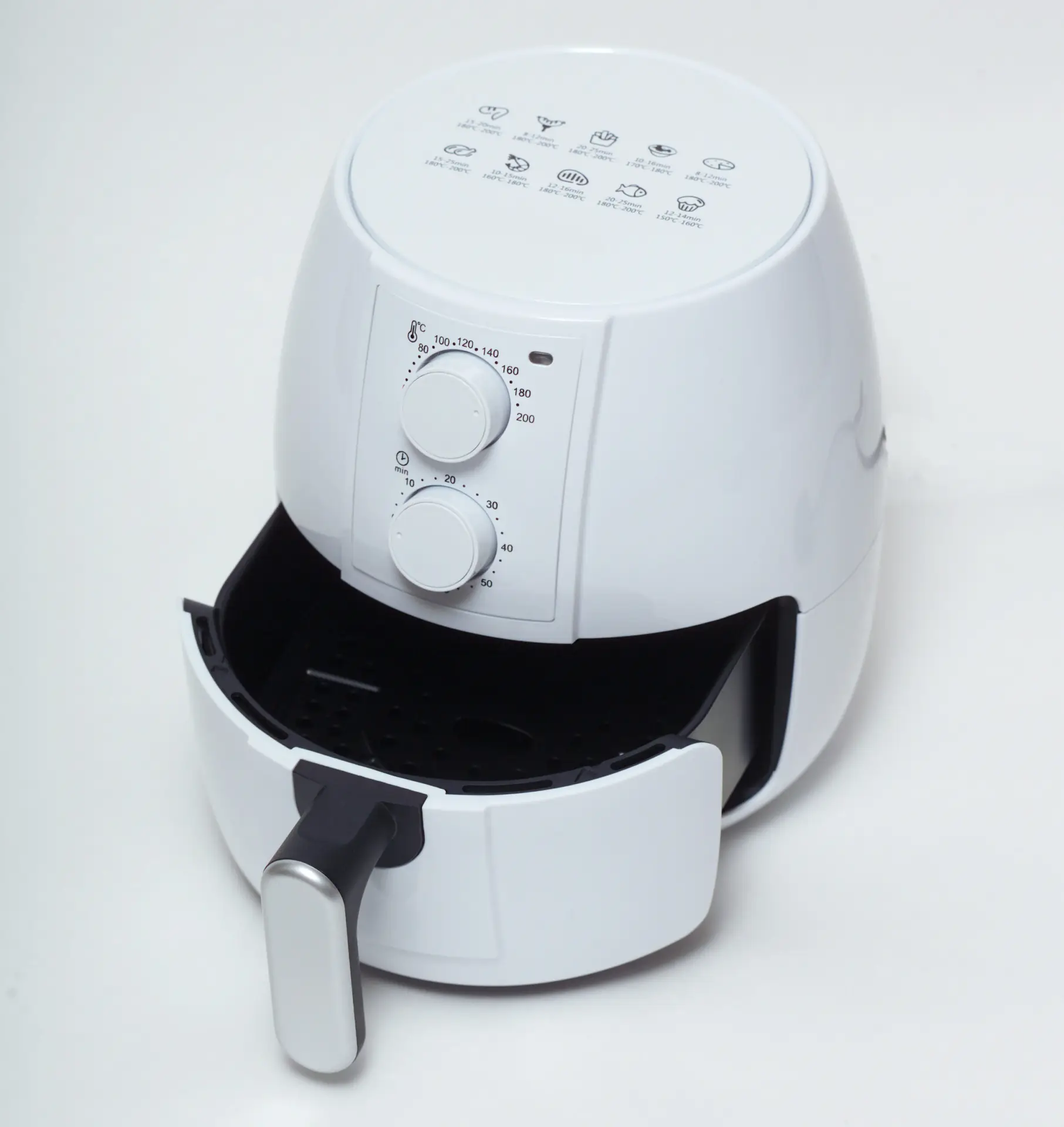
After testing both Pigeon and Philips models, I stuck with the Philips for daily use. This Philips air fryer 6 month review breaks down what actually works, what doesn’t, and whether it’s worth your money.
I’m not a daily cook—I use it 3–4 times a week for snacks, baking, and reheating. That’s enough to separate hype from reality.
Why I Tested the Philips Air Fryer for 6 Months
From Pigeon to Philips: Why This One Stayed
I started with a Pigeon air fryer but switched to Philips after a few weeks. The build quality felt sturdier, the heating was more even, and the temperature control was noticeably better. For someone who bakes muffins and pizzas regularly, that consistency matters.
My Usage Pattern (Frequency, Dishes, Family Size)
- Frequency: 3–4 times per week
- Family size: 3–4 members
- Go-to dishes: Muffins, frozen fries, samosas, reheated snacks, toasted bread
This isn’t a “I used it once” review. It’s based on months of real kitchen use.
Design, Build Quality & The 16A Plug Surprise
Matte Finish: Premium Look vs Daily Smudges
The matte black finish looks premium. Everyone who visits my kitchen compliments it. But there’s a trade-off: it attracts oil smudges and fingerprints easily. If you’re particular about a spotless countertop, expect to wipe it down frequently.
16A Power Plug: What Listings Don’t Tell You
Important warning: Amazon and Flipkart listings don’t clearly mention that the Philips air fryer comes with a 16A plug, not the standard 5A/6A socket. I had to check my kitchen socket before plugging it in. If your counter only has 5A sockets, you’ll need an adapter or a new socket installed.youtube
Ease of Use & Learning Curve
Two-Dial Controls Explained
The interface is simple: two analog dials for temperature and timer. No touchscreens, no app dependency. Just twist and start. The dials are smooth and easy to adjust, even with slightly greasy hands.
Top-Panel Presets & YouTube Recipe Support
Philips prints basic time/temperature presets on the top panel for common foods (fries, chicken, etc.). For anything beyond that, YouTube air fryer recipes are invaluable. I relied heavily on them during the first two weeks to get timing right.youtube
Cooking Performance: What Works Brilliantly
Baking (Muffins & Pizza) – Bakery-Level Results
This is where the Philips shines. Muffins bake evenly with no raw batter in the center. Pizzas come out crispy on the base, with perfectly melted cheese. If you follow a good recipe, the taste is indistinguishable from a bakery.
Indian Snacks (Samosas, Kachori) – Solving the “Dry” Issue
Many users complain that air-fried samosas taste dry. That’s because zero-oil frying on raw dough removes moisture without adding crispness.
Pro tip: Lightly brush or spray oil on the surface before air frying. This gives you 80–90% of deep-fried crispness with minimal oil. I tested this with samosas and kachoris—massive difference.
Frozen Foods (Fries, Smileys, Nuggets) – Zero Oil Needed
Frozen fries, smileys, and McCain nuggets cook perfectly without any added oil. They come out crispy on the outside, soft inside. This is the easiest category—just dump, set time, and go.
Reheating & Toasting – Better Than Microwave
Reheating pizza or parathas in a microwave makes them soggy. The air fryer restores crispness. Toasted bread comes out evenly browned, far superior to a toaster or microwave.
What DOES NOT Work
Popcorn: Why Kernels Fail to Pop
I tried popcorn twice. The airflow distribution doesn’t allow kernels to heat evenly. Most stayed unpopped, and the ones that did pop burned quickly. Skip popcorn in this model.
Wet-Batter Patties & Fresh Burgers – Structure Problems
Fresh burger patties made with wet batter (like homemade veggie patties) fall apart during cooking. The batter doesn’t set properly in the air flow, leading to a messy result. Stick to pre-formed, frozen patties or oven-bake these instead.
Key Drawbacks & Sizing Considerations
No Transparent Window: Basket Pulling Annoyance
The 4.2L analog model lacks a transparent viewing window. You have to pull out the basket to check progress, which interrupts cooking. If visual monitoring is important, consider a window-basket model or a digital variant with a see-through front.
Is 4.2L Enough? Family Size Recommendations
- 1–2 people: Perfect
- 3–4 members: Works, but you may need to cook in batches for larger meals
- 5+ members: Go for 6L or dual-basket models
For my family of 3, it’s adequate. But if you regularly cook for 4+, consider upgrading.
Cleaning & Maintenance (Daily + Deep Clean)
Non-Stick Basket: Quick Rinse Routine
Daily cleaning is simple:
- Let the basket cool (10–15 minutes)
- Remove and rinse with warm water + mild dish soap
- Use a soft sponge to avoid scratching the non-stick coating
- Dry and reassemble
For oily foods, drain excess oil into a jar before washing.
Quarterly Deep Clean: Heating Element & Vents
Every 3 months (or if you notice excess smoke):
- Unplug and cool completely
- Turn the unit upside down
- Use a soft brush to remove grease from the heating element and vents
- Wipe the interior with a damp cloth
Philips recommends this to prevent smoke buildup and maintain performance.
Final Verdict: Should You Buy It?
Pros vs Cons vs Specs (Quick Table)
| Category | Details |
|---|---|
| Capacity | 4.2L (suitable for 1–4 members) |
| Power | 1500W, 16A plug required |
| Controls | Analog dials (temperature + timer) |
| Pros | Even baking, crispy frozen foods, easy cleaning, premium look |
| Cons | Matte finish shows smudges, no viewing window, 16A plug needed, not for popcorn/wet batter |
| Best For | Small families, bakers, frozen food lovers, health-conscious snackers |
Star Rating & Who Should (or Shouldn’t) Buy
Rating: 4.2 / 5
Buy if:
- You bake regularly (muffins, pizzas)
- You eat frozen snacks often
- You want a low-maintenance, durable unit
Skip if:
- You need to cook large batches for 5+ people
- You want to see food while cooking (no window)
- Your kitchen only has 5A sockets and you don’t want to upgrade