
A robot vacuum cleaner’s spec sheet leads with one number: suction power in Pascals. It’s the easiest thing to compare, so it’s the first thing most buyers chase. It’s also the number least likely to explain why a ₹15,000 model works fine in one home and struggles in another.
Robot vacuum cleaner price in India now ranges from under ₹15,000 to well past ₹80,000, and the gap between those tiers isn’t just suction — it’s navigation, mopping type, dustbin design, and service support. This guide walks through what actually matters for Indian homes, so you know what you’re paying for before you check out.
What a Robot Vacuum Actually Does — and Doesn’t
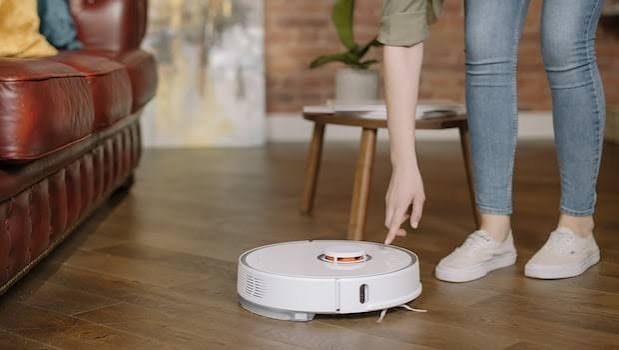
A robot vacuum handles daily maintenance cleaning: dust, loose hair, crumbs, and light debris on floors it can reach. It is not a replacement for a deep clean. Most models still struggle with thick rugs, high door thresholds, loose wires, and corners tight enough to trap a charging dock.
Before comparing models, get clear on what you’re solving for. If your main problem is daily dust on hard floors, almost any mid-range model will help. If you’re hoping it replaces mopping under furniture, cleaning up after pets, or managing a large multi-room flat, the spec requirements go up sharply.
How Much Suction Do You Actually Need
Suction is measured in Pascals (Pa), and marketing numbers have climbed fast — some current listings advertise 20,000Pa or more. In practice, the floor type in most Indian homes matters more than chasing the highest number available.
Tile, Marble, and Vitrified Flooring
These are the most common floor types in urban Indian homes, and they’re also the easiest surfaces for a robot vacuum to clean well. A model in the 3,000–6,000Pa range is usually enough for daily dust, hair, and crumbs on smooth, hard flooring. Spending extra for suction alone rarely helps here — navigation quality matters more.
Homes With Carpets or Rugs
Carpets and thick rugs pull noticeably more power out of a vacuum than hard floors. If a meaningful part of your home is carpeted, look for a model with automatic carpet detection that boosts suction on contact, rather than relying on a single fixed suction setting throughout the clean.
Navigation and Mapping Matter More Than the Spec Sheet
Two robots with identical suction ratings can perform very differently depending on how they navigate. Budget models often use simple gyroscopic or random-bounce navigation — functional in a small, uncluttered room, but prone to missing spots or repeating passes in a larger home.
LiDAR or camera-based mapping builds an actual floor plan, lets you set no-go zones, and cleans room by room instead of wandering. If you live in a flat with more than two rooms, or have furniture with low clearance, mapping-based navigation is worth prioritizing over a higher suction number.
Mopping: Vibrating Pads vs. Basic Drag Mops
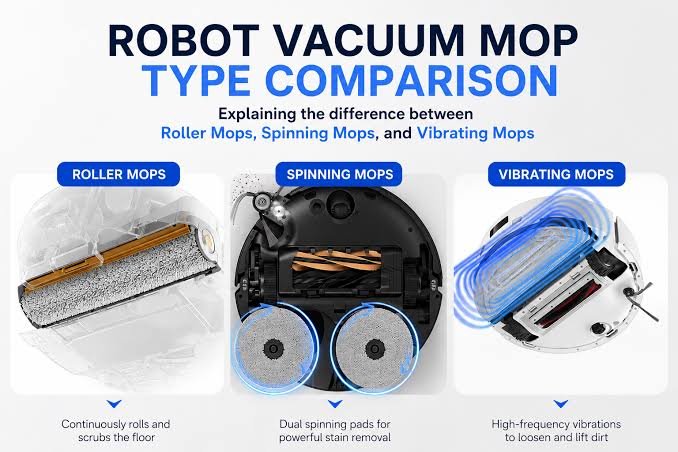
Many robot vacuums now combine vacuuming and mopping in one pass, which suits Indian kitchens and dining areas where dust turns to grime quickly. Two mopping styles are common:
- Basic drag mops pull a damp pad across the floor. They pick up light dust but tend to smear rather than lift sticky spills.
- Vibrating or spinning pads apply more scrubbing action and handle daily kitchen mess better, though they usually cost more and need the mop pad washed or replaced regularly.
If mopping is a priority, check how the mop pad is cleaned — some higher-end models wash and dry the pad automatically at the dock, which matters if you don’t want to handle a soiled pad by hand every day.
Robot Vacuum Cleaner Price in India: What Changes at Each Tier
Robot vacuum cleaner price bands in India have moved fast over the past year, with entry models now available well under ₹15,000. Based on current listings across major Indian retailers, here’s roughly what you get at each tier. Treat these as general bands, not fixed figures — always check the live price before buying, since sale pricing shifts often.
| Price Band | What You Typically Get | Best Suited For |
|---|---|---|
| Under ₹20,000 | Basic navigation, fixed suction, simple drag mop | Small flats, hard floors only, first-time buyers |
| ₹20,000–₹45,000 | LiDAR or camera mapping, carpet detection, better mop pads | 2–3BHK homes, mixed flooring, some carpets |
| Above ₹45,000 | Self-emptying or self-washing docks, multi-floor mapping, higher suction | Larger homes, pet owners, buyers who want minimal weekly maintenance |
If you’re planning to time your purchase around a festive sale, our appliance sale buying checklist covers how to tell a genuine discount from an inflated “before” price — worth a read before you add a robot vacuum to your cart during a sale event.
Brands Buyers Ask About
Xiaomi (Mi) Robot Vacuums in India
Xiaomi is one of the most searched robot vacuum brands in India, largely because it was among the first to bring genuinely affordable models to the market here. Mi robot vacuums are widely available through Xiaomi’s own online store and major marketplaces, and the brand has an established service network — you can look up your nearest Xiaomi India service center before buying if after-sales access matters to you.
Does Dyson Sell a Robot Vacuum in India?
This is a common point of confusion. Dyson is well known in India for its corded and cordless stick vacuums, and that’s still the core of its India lineup. Dyson has announced robot vacuum models globally, but a confirmed, widely available India retail launch was not established at the time of writing. If you’re specifically searching for a Dyson robot vacuum, double-check current listings carefully — some third-party sellers list older or region-specific units that may not have local warranty support.
Service Network Matters More Than It Looks
A robot vacuum has a battery, a motor, sensors, and moving brushes — parts that eventually need servicing. Before buying, it’s worth checking whether the brand has authorized service centers in your city, not just a courier-based repair option. Brands with a longer retail history in India, including Xiaomi and established Indian appliance brands, tend to have wider service coverage than newer entrants.
Charging docks also draw very little power day to day, so running cost isn’t usually a major factor in the decision — the bigger cost consideration is replacement parts like brushes, filters, and mop pads over the product’s lifetime.
7 Buying Mistakes to Avoid
- Chasing the highest Pa number without checking your actual floor type.
- Ignoring dustbin capacity, which means emptying it every day or two on a budget model.
- Skipping the carpet-height spec — some robots can’t climb over rug edges above a certain thickness.
- Assuming all mopping is equal — a basic drag mop won’t handle daily kitchen spills well.
- Not checking app language and support — some budget apps are limited in regional language support.
- Overlooking service center availability in your city before buying a lesser-known brand.
- Buying based on a sale badge alone without comparing the price against recent listings.
Who Should — and Shouldn’t — Buy a Robot Vacuum
Buy one if: you have mostly hard flooring, want help with daily dust and hair, and are comfortable doing light weekly maintenance like emptying the bin or rinsing a mop pad.
Hold off if: your home has thick wall-to-wall carpeting throughout, a lot of ground-level cabling, or a layout with high thresholds between rooms — a robot vacuum will likely underperform and frustrate you until those obstacles are addressed.
FAQs
Is a 3,000Pa robot vacuum enough for an Indian home? For hard floors like tile, marble, or vitrified flooring, yes — 3,000–6,000Pa is generally sufficient for daily dust and hair. Homes with carpets benefit from higher suction or automatic carpet-boost.
What is a realistic robot vacuum cleaner price in India for a first-time buyer? Functional entry-level models are available under ₹20,000, though mapping-based navigation and better mopping usually start closer to ₹20,000–₹30,000.
Do Mi robot vacuums work well on Indian floors? Xiaomi’s robot vacuums are widely used in India and generally handle tile, marble, and wood flooring well at the budget-to-mid price range; carpet performance depends on the specific model’s suction and detection features.
Does Dyson make a robot vacuum available in India right now? At the time of writing, Dyson’s confirmed India lineup centers on corded and cordless stick vacuums rather than a robot vacuum. Check current official listings before assuming availability.
How often does a robot vacuum need maintenance? Expect to empty the dustbin every few cleaning cycles on basic models (less often on self-emptying docks), rinse or replace the mop pad regularly if mopping, and clean the brush roll of tangled hair every one to two weeks.