
Every RO purifier ad in India now promises “zero water wastage.” You’ve probably seen it on packaging, in Amazon listings, and in unboxing videos. But a standard RO membrane rejects two to four litres of water for every litre it purifies. So how does any RO suddenly waste none of it? This guide walks through what a zero water wastage RO purifier actually does, where the claim holds up, and what to check before you trust it enough to spend money on it.
Why RO Water Wastage Matters for Indian Homes
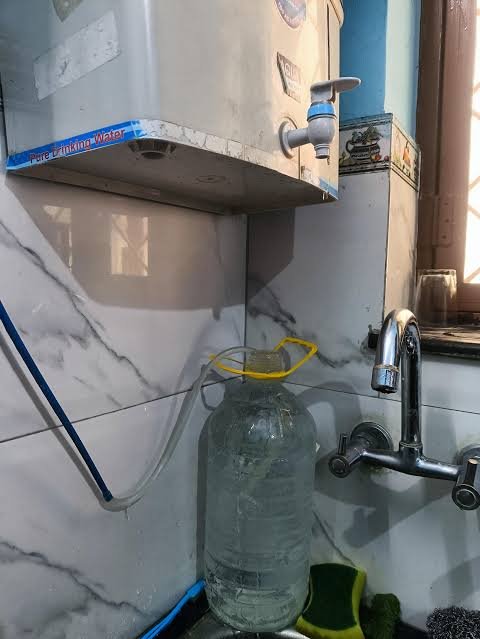
Reverse osmosis works by forcing water through a fine membrane. Dissolved solids, along with a portion of the water itself, get pushed out as reject water instead of passing through. That reject stream isn’t dirty — it’s just water the membrane couldn’t push through in time — but most purifiers send it straight down the drain.
In a country where several cities ration municipal supply and many households depend on tankers or borewells, that daily loss matters. A family running an RO purifier for drinking and cooking water can lose several times that volume down the drain every day. That frustration is exactly what “zero water wastage” technology is built to answer, which is why the claim shows up on nearly every mid-range and premium RO purifier sold in India today.
How “Zero Water Wastage” Technology Actually Works
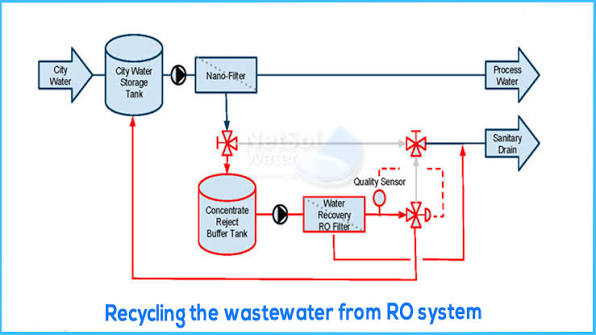
Most purifiers marketed this way don’t eliminate the membrane’s reject stream — they redirect it. A small pump sends the rejected water back to your overhead tank or storage sump instead of letting it go down the drain, so you can reuse it for washing, mopping, or flushing rather than losing it entirely.
That’s a genuinely useful feature for a water-stressed household. But it’s worth being precise about what it does and doesn’t do: the membrane still rejects the same proportion of water it always would at a given TDS level. Nothing about “zero wastage” tech makes the RO process itself more efficient. It changes where the reject water ends up, not how much of it exists in the first place.
Does It Really Hit Zero? What to Verify Before Buying
Treat “zero water wastage” as a starting point for questions, not a settled fact.
Questions to ask the dealer or brand
Ask what “zero wastage” specifically means for the model you’re considering — recirculation to an overhead tank, or an actual reduction in reject volume. Ask for the reject-to-purified ratio tested at TDS levels close to your own tap or borewell water, since brand demo figures are usually measured under favourable lab conditions. Also ask whether the recirculation pump adds noticeable running cost, noise, or a new part that can fail and need servicing down the line.
Look for models that carry BIS certification and disclose their reject ratio rather than only advertising the “zero wastage” label. A certified, disclosed figure is easier to verify than a marketing phrase.
Reading past the marketing copy
Independent, long-term user reviews are more useful here than a brand’s own demo video, since they surface how the recirculation pump holds up after a year or two of daily use, not just on day one. Look specifically for buyers who comment on whether reject water reliably reaches the overhead tank, or whether the pump has needed repair. A single polished unboxing video isn’t enough evidence either way — treat it as a starting point for your own questions, not a verdict.
Zero-Wastage RO vs Standard RO vs UV — Which Fits You
The right purifier depends on your water source before it depends on any wastage feature. If your water is already low in dissolved solids — typical of treated municipal supply in many cities — a plain UV+UF purifier does the job without any RO wastage question to begin with, and it’s simpler to maintain. Our [RO vs UV water purifier guide] breaks that comparison down in detail, including how to check your own water’s TDS before deciding.
| Standard RO | Zero-wastage/recirculating RO | UV + UF (no RO) | |
|---|---|---|---|
| Best suited for | High-TDS borewell or tanker water | Same as standard RO, plus reuse-conscious households | Low-TDS municipal water |
| Reject water | Drained away | Redirected for reuse (washing, mopping, flushing) | None — no reject stream |
| Extra moving parts | None beyond standard RO | Recirculation pump | None |
| Ongoing cost | Filter/membrane replacement | Filter/membrane replacement + pump upkeep | Filter/UV lamp replacement only |
| Watch out for | Water lost down the drain daily | Verify the “zero” claim before buying | Doesn’t remove dissolved salts or heavy metals |
Running Costs and Maintenance
A recirculation pump is one more component that can wear out, and it needs periodic servicing like any other part of the purifier. Filter and membrane replacement costs are broadly similar to a standard RO of the same capacity — the wastage feature changes where reject water goes, not how often you replace filters.
Budget for a technician visit if the pump starts making noise or stops recirculating altogether, since a blocked recirculation line is a recurring complaint in longer-term user reviews. It’s a minor added maintenance point, not a major one, but it’s worth knowing about before you buy rather than after.
Who Should (and Shouldn’t) Buy One
Zero-wastage RO purifiers earn their extra cost if you’re on borewell or tanker water with genuinely high TDS, live somewhere supply is unpredictable, or you already reuse greywater for mopping and flushing. The recirculated reject water fits naturally into that routine.
They make less sense if your municipal supply already has low TDS. In that case, RO isn’t the right technology at all, regardless of its wastage features — a plain UV+UF purifier sidesteps the wastage question entirely, costs less to run, and needs less maintenance. Check your water’s TDS first; it decides more of this purchase than the wastage claim does.
Buying Checklist
- Test or ask for your actual water TDS before choosing RO over UV+UF
- Ask exactly how “zero wastage” works on the specific model, not just the brand’s general claim
- Look for BIS-certified purifiers that disclose their reject ratio
- Read independent, long-term reviews for recirculation pump reliability
- Factor in pump maintenance as an ongoing cost, not a one-time feature
- Confirm the storage tank capacity suits your household size
- Check after-sales service availability in your city before buying
A “zero water wastage” label is a starting point for questions, not proof by itself. Verify it against your own water source and a technician’s word before you commit, and see our [general appliance-buying checklist] for more ways to shop smart during sale season.