
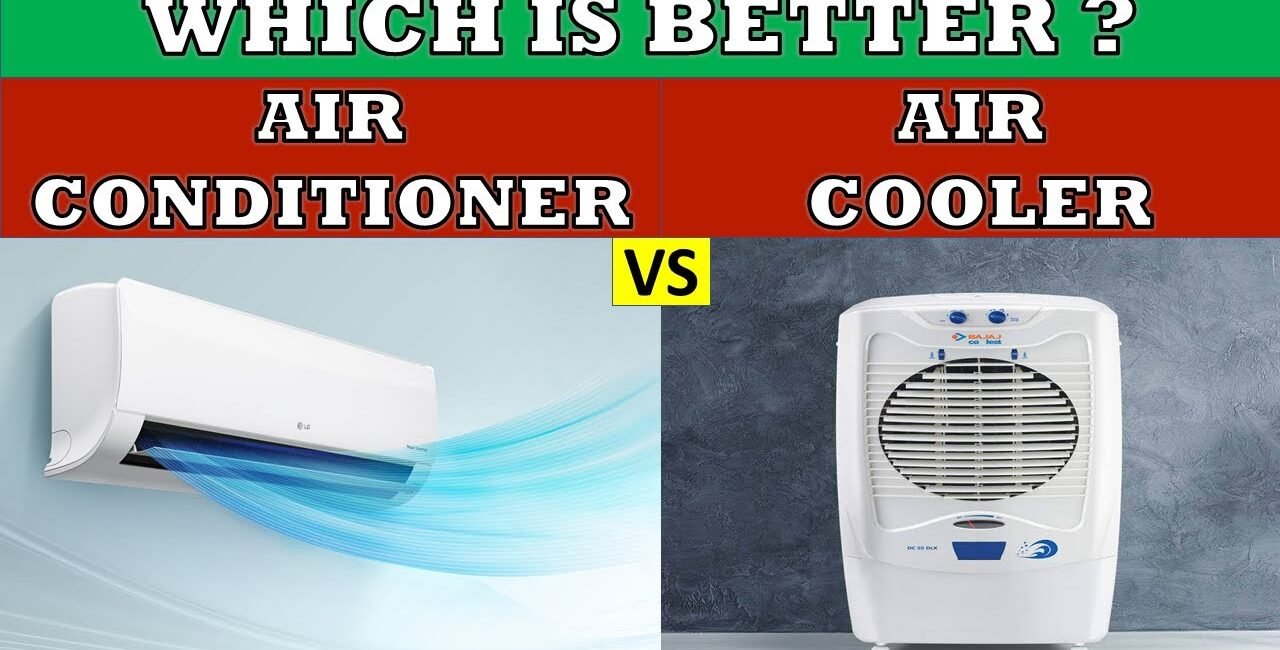
Delhi hit 45°C in April this year. Mumbai crossed 38°C with 75% humidity the same week. If you are reading this, you are probably standing in an appliance showroom — or scrolling through Amazon — wondering whether to spend ₹8,000 on a desert cooler or ₹40,000 on a split AC.
Most articles on this topic either push you toward an AC without addressing the ₹2,500 monthly bill, or sell you a cooler without explaining why it will feel useless by June in a coastal city. This guide gives you the real numbers, the climate logic, and the decision framework that actually matters for Indian homes.
Why This Decision Matters More Than Ever in 2026
Rising temperatures, rising bills
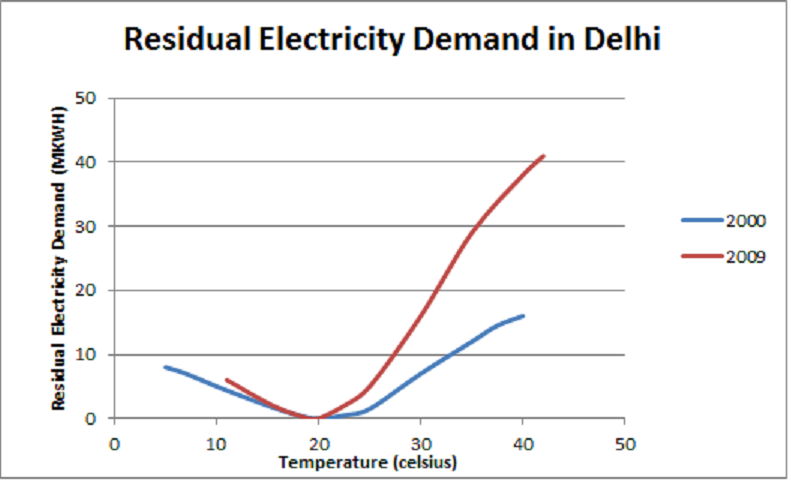
India dominated global heat charts in 2026, with 98 of the world’s 100 hottest cities located here during peak summer. Electricity tariffs have climbed across most states. The question is not just “what cools best” but “what cools affordably enough for your specific climate.”
Not everyone can afford a ₹35,000+ AC
A 1.5-ton 5-star inverter split AC now costs between ₹32,000 and ₹55,000 upfront, plus ₹3,000–₹5,000 for installation. For families in the ₹15,000–₹40,000 monthly income bracket — a massive segment of Indian households — that is 1–3 months of income. Air coolers start at ₹4,000. The gap is enormous.
The real question is not “which is better” but “which is right for your climate, home, and wallet.”
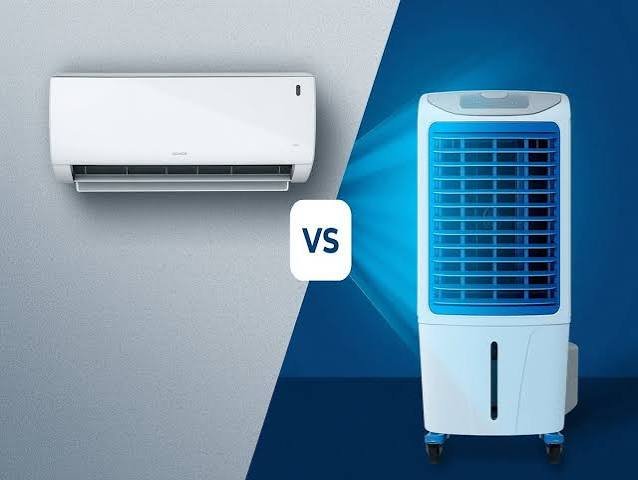
How Air Coolers and ACs Work — The Real Difference
Evaporative cooling explained simply
An air cooler pulls hot outside air through water-soaked honeycomb or wood wool pads. As water evaporates, it absorbs heat from the air, dropping the temperature by 5–15°C depending on humidity. This process adds moisture to the air and requires ventilation — windows or doors must remain slightly open for airflow.
Refrigerant-based cooling explained simply
An AC uses a compressor and refrigerant gas to extract heat from indoor air and release it outside. It does not depend on outside humidity or airflow. It actively removes moisture from the room, which is why it works in sealed rooms even during monsoon.
The critical difference: a cooler adds humidity. An AC removes it. This single distinction determines which appliance wins in your city.
The 5 Factors That Should Decide Your Purchase
Your climate (dry heat vs humid heat)
This is the single most important factor, and most buyers ignore it.
Air coolers work through evaporation. In dry heat — Delhi, Jaipur, Ahmedabad, Lucknow, Bhopal — humidity is often below 40% during peak summer. Here, a cooler can drop room temperature by 8–12°C. That is genuinely comfortable.
In humid heat — Mumbai, Chennai, Kochi, Kolkata — humidity often exceeds 70–80% from April onward. Evaporation slows dramatically. A cooler might drop temperature by only 2–4°C while adding more moisture to already-muggy air. The room feels worse, not better.
A quick rule: if you sweat and the sweat does not evaporate, a cooler will disappoint you. If your skin feels dry and your lips crack, a cooler will work well.
Your budget (purchase + running cost)
| Cost Component | Air Cooler (Desert/Tower) | 1.5T Inverter Split AC |
|---|---|---|
| Purchase price | ₹4,000–₹18,000 | ₹32,000–₹55,000 |
| Installation | ₹0 (plug and use) | ₹3,000–₹5,000 |
| Monthly electricity (8h/day) | ₹200–₹450 | ₹1,800–₹2,800 |
| Annual maintenance | ₹500–₹1,000 | ₹1,500–₹3,000 |
| 5-year total cost | ~₹20,000–₹30,000 | ~₹1,50,000–₹1,90,000 |
Sources: Croma, Digit, Onida, CoolingInsights
Over five years, an AC costs 5–7 times more than a cooler to own and run. That is not a small difference. For a family that can invest the savings elsewhere — education, health, emergency fund — the cooler wins on pure economics.
Your home (ventilation, room size, windows)
Air coolers need cross-ventilation. Hot air must escape for cooled air to enter. If your bedroom has one small window and a closed door, a cooler will underperform badly.
ACs work in sealed rooms. Close the door, close the windows, and the room stays cool. For flats with limited ventilation or rooms that face direct afternoon sun, AC has a structural advantage.
Room size also matters:
- Personal cooler: up to 15 sq m (bedrooms, study)
- Tower cooler: 15–30 sq m (bedrooms, small living rooms)
- Desert cooler: 30–55 sq m (large halls, semi-open spaces)
For a standard 150 sq ft bedroom, you need 1,200–1,800 CFM airflow. For a 300 sq ft hall, you need 2,500–3,500 CFM. Undersizing is the most common mistake — the cooler feels like a weak fan.
Your water supply and quality
A standard desert cooler consumes 15–20 litres of water over 8 hours. In extreme heat, larger models can go through 60 litres a day. If water is scarce or expensive in your area, this is a real cost.
Hard water is a bigger problem. Minerals in hard water leave scale deposits in the tank, clog the pump, and cause algae buildup that produces a musty smell. Delhi, Jaipur, and Lucknow have some of the hardest water in India. You will need to drain and descale the tank weekly. If you use tap water without treatment, expect the classic “swamp smell” within days.
ACs do not use water. They need occasional coil cleaning and gas checks, but no daily water management.
Your power backup situation
Air coolers draw 150–250W. Any 800VA inverter can run one for 6–8 hours during a power cut. Most are inverter-compatible by default.
A 1.5-ton inverter AC draws 900–1,500W. Running it on an inverter requires a much larger battery bank and significantly higher upfront investment. In areas with frequent power cuts, this is a decisive factor.
Running Cost Comparison: Air Cooler vs AC in India (2026)
Using Delhi’s tariff of approximately ₹7 per unit and 8 hours of daily use:
| Appliance | Power Draw | Cost Per Hour | Monthly Cost (8h/day) | % of AC Cost |
|—|—|—|—|—|—|
| Ceiling Fan | 75W | ₹0.53 | ₹126 | 7% |
| Tower Air Cooler | 50–150W | ₹0.35–₹1.05 | ₹105–₹315 | 6–18% |
| Desert Air Cooler | 150–250W | ₹1.05–₹1.75 | ₹315–₹525 | 18–30% |
| 1.5T 5-Star Inverter AC | 900–1,100W | ₹6.30–₹7.70 | ₹1,890–₹2,310 | 100% |
| 1.5T Non-Inverter AC | 1,500W | ₹10.50 | ₹3,150 | 180% |
Sources: India Today, CoolingInsights, Digit
The gap is stark. Running a desert cooler for a full summer month costs less than running an AC for four days.
But cost is only half the story. If the cooler cannot cool your humid Mumbai bedroom below 32°C, you have saved money on an appliance you cannot use.
Air Cooler vs AC: Side-by-Side Comparison Table
| Factor | Air Cooler | Air Conditioner |
|---|---|---|
| Cooling method | Evaporative (adds moisture) | Refrigerant (removes moisture) |
| Best climate | Dry heat, humidity below 60% | All climates, especially humid |
| Temperature drop | 5–12°C (dry), 2–4°C (humid) | Precise, down to 16–18°C |
| Power consumption | 150–250W | 900–1,500W |
| Monthly running cost | ₹200–₹450 | ₹1,800–₹2,800 |
| Purchase price | ₹4,000–₹18,000 | ₹32,000–₹55,000 |
| Installation | None | ₹3,000–₹5,000 |
| Water requirement | 15–60 litres/day | None |
| Ventilation needed | Yes (open window/door) | No (sealed room) |
| Maintenance | Weekly cleaning, pad replacement | Annual service, gas check |
| Noise level | 50–65 dB | 28–42 dB |
| Inverter compatibility | Yes (any 800VA+) | Needs large battery bank |
| Lifespan | 5–8 years | 8–12 years |
When an Air Cooler Makes More Sense
Who should buy an air cooler
You live in a dry-heat region — Delhi NCR, Rajasthan, Gujarat, Madhya Pradesh, inland Maharashtra, or Uttar Pradesh. Humidity stays below 50–60% for most of summer.
Your budget is under ₹15,000 for the appliance, and you want monthly running costs under ₹500. You are renting and cannot install a split AC or do not want the installation hassle.
Your home has good cross-ventilation — windows on opposite walls, or a balcony door that allows hot air to escape.
You have frequent power cuts and an existing inverter that can comfortably run a 200W appliance for 6–8 hours.
You are buying for a small room — a bedroom or study under 150 sq ft — and you do not need the entire house to be cool.
Who should avoid an air cooler
You live in Mumbai, Chennai, Kochi, Kolkata, or any coastal city where humidity regularly exceeds 70%. The cooler will add moisture and make the room feel swampy.
Your room has poor ventilation — one small window, no cross-breeze, sealed by AC-era construction.
You or a family member has asthma or dust allergies. Coolers circulate dust and can worsen symptoms if not cleaned rigorously.
You have hard water and no practical way to treat it. The maintenance burden will outweigh the savings.
You need to cool multiple rooms simultaneously. A single desert cooler in a hallway will not reach bedrooms.
When an AC Is the Better Choice
Who should buy an AC
You live in a humid city. Mumbai, Chennai, Kolkata, Kochi, Hyderabad during monsoon — an AC is the only appliance that reliably cools and dehumidifies simultaneously.
You need consistent, predictable cooling. An AC holds your room at 24°C regardless of what is happening outside. A cooler’s performance fluctuates with humidity and temperature.
You have a sealed room with poor ventilation. ACs are designed for this; coolers are not.
You work from home or need to sleep comfortably in extreme heat. The precise temperature control and quiet operation of an inverter AC matter for daily productivity and rest.
You plan to stay in your current home for 5+ years. The upfront cost is high, but the comfort and reliability justify it over time.
You have infants, elderly family members, or anyone with respiratory conditions. ACs filter air and remove humidity, reducing mould and dust mite growth.
Who should avoid an AC
Your monthly electricity budget cannot absorb a ₹1,800–₹2,800 increase during summer months. For many families, this is a genuine constraint, and no amount of “it cools better” changes the math.
You are renting for less than a year. Installation and removal costs will not be recovered.
You need to cool a semi-open space — a large hall with open doors, a shop front, a workshop. ACs are designed for sealed rooms; coolers work better in semi-open, ventilated spaces.
The Hybrid Option: Using Both Together
The smartest cooling strategy for Indian summers may not be choosing one over the other. It is using both, at different times.
A hybrid approach — running a cooler during mild months (March–April, October) and switching to AC only during peak summer (May–August) — can cut your seasonal cooling bill by 40–50% compared to running an AC all season. You get the low running cost of a cooler for 4–5 months and the reliable performance of an AC when the heat becomes unbearable.
Even during peak summer, running the AC at 26°C with a ceiling fan can reduce power consumption by up to 20% compared to running the AC alone at 22°C. Every degree you raise the thermostat saves roughly 6% on cooling costs.
For families that already own a cooler from a previous summer, this is the highest-value upgrade: buy a 5-star inverter AC for peak months, keep the cooler for the shoulder season, and let each appliance do what it does best.
Common Buying Mistakes to Avoid
Buying a cooler for a humid city. This is the single most common error. If humidity in your city exceeds 60% for most of summer, a cooler will not deliver the relief you expect.
Undersizing the cooler for the room. A 20-litre personal cooler will not cool a 200 sq ft living room. Match CFM to room volume — 1,200–1,800 for bedrooms, 2,500–3,500 for halls.
Ignoring water quality. Hard water destroys coolers faster than anything else. If you live in Delhi, Jaipur, or Lucknow, budget for a water softener or commit to weekly descaling.
Choosing a non-inverter AC in 2026. The new BEE norms have made inverter ACs significantly more efficient. A 2026-rated 3-star inverter AC may consume less power than a 2025-rated 5-star non-inverter model. Check the new BEE label carefully — a model previously rated 5-star may now be classified as 4-star under the stricter 2026 framework.
Forgetting about installation costs. The advertised price of an AC rarely includes installation, which adds ₹3,000–₹5,000. Factor this into your budget before comparing prices.
Not considering inverter compatibility. If you have frequent power cuts, a cooler running on a standard inverter is a genuine advantage that no AC can match without significant additional investment.
FAQ
Can I use an air cooler in Mumbai during summer?
It will run, but it will not cool effectively. Mumbai’s humidity often exceeds 70–80% from April onward. The cooler will add moisture to already-humid air and provide only a 2–4°C temperature drop. An AC is the practical choice for Mumbai, Chennai, and other coastal cities.
How much electricity does an air cooler use compared to an AC?
A desert air cooler uses 150–250W. A 1.5-ton inverter AC uses 900–1,100W. A tower cooler uses 50–150W. The cooler consumes approximately 80–90% less electricity for comparable hours of operation.
Do air coolers work in monsoon?
No. During monsoon, humidity crosses 70–90%. Evaporative cooling becomes ineffective, and the cooler will make the room feel more humid, not less. Switch to an AC or fan during monsoon months.
How much water does a desert cooler consume per day?
A standard desert cooler consumes 15–20 litres over 8 hours. In extreme heat with high fan speed, larger 60–100 litre models can consume 40–60 litres per day.
Is it cheaper to run a cooler or an AC in Delhi?
A cooler is roughly 5–7 times cheaper to run. At ₹7 per unit, a desert cooler costs ₹315–₹525 per month for 8 hours daily. A 1.5-ton inverter AC costs ₹1,890–₹2,310 per month for the same usage.
What is the new BEE 2026 star rating change for ACs?
The Bureau of Energy Efficiency introduced stricter norms effective January 2026. A model previously rated 5-star under 2025 norms may now be classified as 4-star. The new 5-star standard is approximately 10% more energy-efficient than before. When buying an AC in 2026, check the new label — the star rating alone does not tell the full story.
Final Verdict
There is no universal “better” appliance. The right choice depends on where you live, how much you can spend upfront, and what your home allows.
If you live in dry heat, have ventilation, and need a low-cost solution: buy a desert or tower air cooler. It will serve you well for 4–5 months a year at a fraction of the cost.
If you live in humid heat, have a sealed room, and can absorb the running cost: buy a 5-star inverter AC. It will cool reliably through every month of summer, monsoon included.
If you can do both: buy a cooler for the shoulder season and an AC for peak summer. That hybrid approach gives you the best of both worlds — and the lowest total cost over a full year.