

If you rent a flat, shift cities often, or cannot drill a wall for an outdoor unit, a best portable AC in India search usually means one thing: cooling without permanent installation. Portable units roll on wheels, vent hot air through a hose, and leave no marks when you move out. They are not a full replacement for a good inverter split. Used in the right room with the right setup, they solve a real problem many Indian buyers face every summer.reliancedigital
This guide covers seven practical checks—capacity, install, noise, bills, drainage, brand service, and when to skip portable entirely—so you buy once and stay comfortable.
What a Portable AC Actually Is
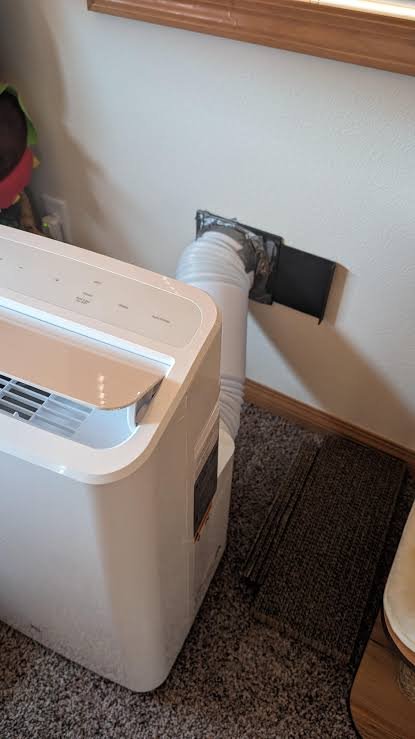
A portable air conditioner is a self-contained unit. The compressor sits inside the same cabinet as the evaporator. Cool air blows into the room. Hot air leaves through a flexible exhaust hose that must exit outdoors—usually via a window kit.
It is not an air cooler. Coolers add moisture and need water. A true portable AC uses refrigerant and removes heat. Without the hose vented outside, the unit dumps heat back into the room and barely cools.
Most models sold in India are single-hose, fixed-speed designs in the 1 ton class. That design suits closed bedrooms roughly in the 90–120 sq ft range when doors stay shut and sunlight is controlled.
Who Should Buy a Portable AC in India
Buy a portable unit if most of these apply:
- Landlord will not allow wall holes or outdoor unit mounting
- You move every 1–2 years and hate AC shifting costs
- You need cooling for one small bedroom, study, or cabin
- You want setup the same day without a technician visit
Skip portable if you own the home long-term, run AC 10+ hours daily, or need to cool a hall above ~150 sq ft. In those cases an inverter split or a well-fitted window AC usually costs less over three to five summers and feels quieter.
1. Match Ton Capacity to Room Size
“1 ton portable AC” is the common search for small rooms. Capacity is still about heat removal, not floor magic. A 1 ton class unit is aimed at compact, well-sealed spaces. Larger or sun-facing rooms need more capacity or better insulation first—curtains, reflective film, and closed doors matter more than brand slogans.smartprix
Before you order, measure length × width. Note west-facing glass and top-floor heat. If the room is open to a living area, portable cooling will struggle no matter the brand.
2. Install the Hose the Right Way
Cooling quality depends more on install than on the brochure. Keep the exhaust hose as short and straight as possible. Long loops trap heat and cut performance.
Use the included window slider kit so hot air leaves and outdoor air does not rush back in. Seal gaps with foam or tape. Place the unit near the window so the hose does not snake across the floor. Leave space around the intake grills so airflow is not blocked.

3. Expect Higher Noise Than a Split AC
In a split system the noisy compressor sits outside. In a portable unit it sits with you. You will hear compressor cycles and fan noise, often in the mid-40s to 50+ dB range depending on mode and brand. That is fine for daytime work. Light sleepers may prefer fan-only or sleep mode at night, or a different AC type altogether.reliancedigital
Check return policies and read recent owner comments on noise in your city, not only star ratings.
4. Plan for Power Consumption and Bills
Many portable models use fixed-speed compressors. They pull more watts when running and do not modulate like modern 5-star inverter splits. Expect higher units per hour than a similarly “tonned” inverter split in the same climate.reliancedigital
Rough planning tips:
- Confirm your home wiring and plug rating match the unit’s amp draw
- Use a voltage stabilizer if your area has frequent swings
- Compare claimed cooling watts and input power on the product page, not only “1 ton” in the title
- If you need 8–12 hours daily cooling for years, calculate 3-year electricity cost before choosing portable over split
5. Understand Drainage and Humidity
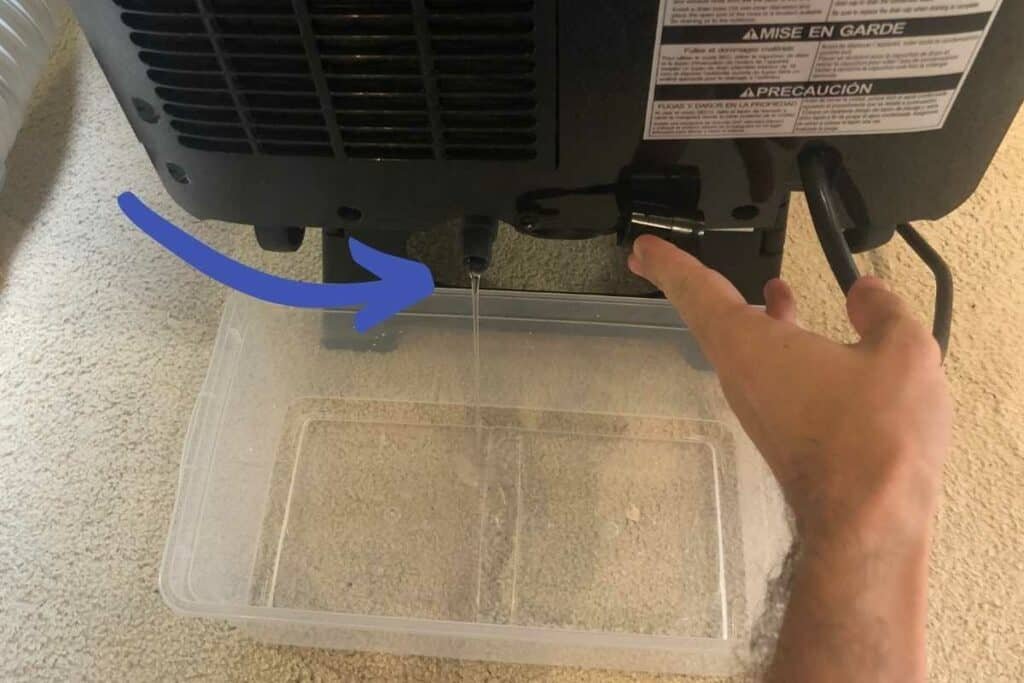
Portable ACs pull moisture from the air. Many claim auto-evaporation so you rarely drain water. In very humid coastal cities the tank or drain pipe may still need attention. Know where the drain port is and whether continuous drain is supported before you place the unit against a wall with no access.
Clean or rinse filters on the schedule in the manual. Dusty filters cut airflow and make the compressor work harder.
6. Compare Specs Buyers Actually Use
When shortlisting a best portable AC in India option, score models on this checklist—not on unboxing hype:
| Check | Why it matters |
|---|---|
| Stated capacity + room guidance | Avoid under-sized units |
| Hose + window kit in box | Same-day install |
| Weight and wheels | Moves between rooms |
| Dehumidify / fan / sleep modes | Flexibility in monsoon and night use |
| Copper components (where listed) | Durability in humid air |
| Warranty years + service cities | Critical after first summer |
| Price band (often ~₹28,000–₹40,000 for 1 ton class) | Match budget without overpaying for unused features. |
Popular names in this category include established cooling brands with wider service nets and a few value-focused portable specialists. Prefer a brand that actually sends technicians to your pin code. A slightly costlier unit with local service beats a cheap orphan brand when the PCB fails in May.
7. Portable vs Split vs Window — Pick by Constraint
| Factor | Portable | Window | Inverter split |
|---|---|---|---|
| Install | Hose + window kit, no drill | Needs window opening | Outdoor unit + copper piping |
| Best for | Rentals, temporary stay | Owned window slot | Long-term home use |
| Noise in room | Higher | Medium | Lower |
| Typical efficiency | Lower | Medium | Highest among the three |
| Moving home | Easy | Hard | Costly shift |
| Upfront cost | Mid | Often lower | Mid to higher |
Rule of thumb: choose portable when installation is blocked. Choose window or split when you can install properly and will stay put.reliancedigital
Quick Buying Checklist (Before You Click Buy)
- Room size fits 1 ton class guidance
- Window or balcony vent path exists
- You accept compressor noise in the room
- Stabilizer / wiring ready
- Service centre listed for your city
- Return window clear on the marketplace
- Hose length and kit included
- Budget includes possible higher summer bills
If four or more answers are “no,” pause and reconsider a window or split option.
2 Replies to “Best Portable AC in India 2026: 7 Must-Know Tips”
[…] automatically the better choice. We’ve covered the no-installation alternative in our portable AC buying guide — worth a look before you commit to a split […]
[…] You live in a humid city. Mumbai, Chennai, Kolkata, Kochi, Hyderabad during monsoon — an AC is the only appliance that reliably cools and dehumidifies simultaneously. […]