
Daily Indian cooking involves several repetitive tasks: chopping vegetables, making dal and rice, kneading atta, preparing rotis, and cooking snacks for the family. The right must-have kitchen appliances for Indian homes can reduce prep work, free up time, and make it easier to manage regular meals without turning your kitchen into a gadget showroom.
This list focuses on five practical appliances that fit common Indian cooking routines. They are not compulsory purchases. A good appliance should solve a frequent problem in your kitchen, suit your family size, and be easy enough to clean and store.
How to Choose Kitchen Appliances for Indian Cooking
Before buying a new appliance, identify where you lose the most time. If you regularly cook dals, rajma, chole, rice, or batch meals, an electric pressure cooker may offer the biggest benefit. If vegetable prep feels exhausting, a compact chopper may be more useful than another cooking appliance.
Also check capacity before you buy. A large appliance can be frustrating in a small kitchen, while an undersized one creates multiple cooking batches. Look at countertop space, bowl or basket size, cleaning requirements, power consumption, warranty terms, and local service availability.
Start with appliances that support tasks you repeat every day. Trendy gadgets are not always good investments. The most useful must-have kitchen appliances for Indian homes make a regular task easier without creating extra cleanup or storage problems.
Must-Have Kitchen Appliances for Indian Homes
1. Electric Pressure Cooker for Dal, Rice, and Meal Prep
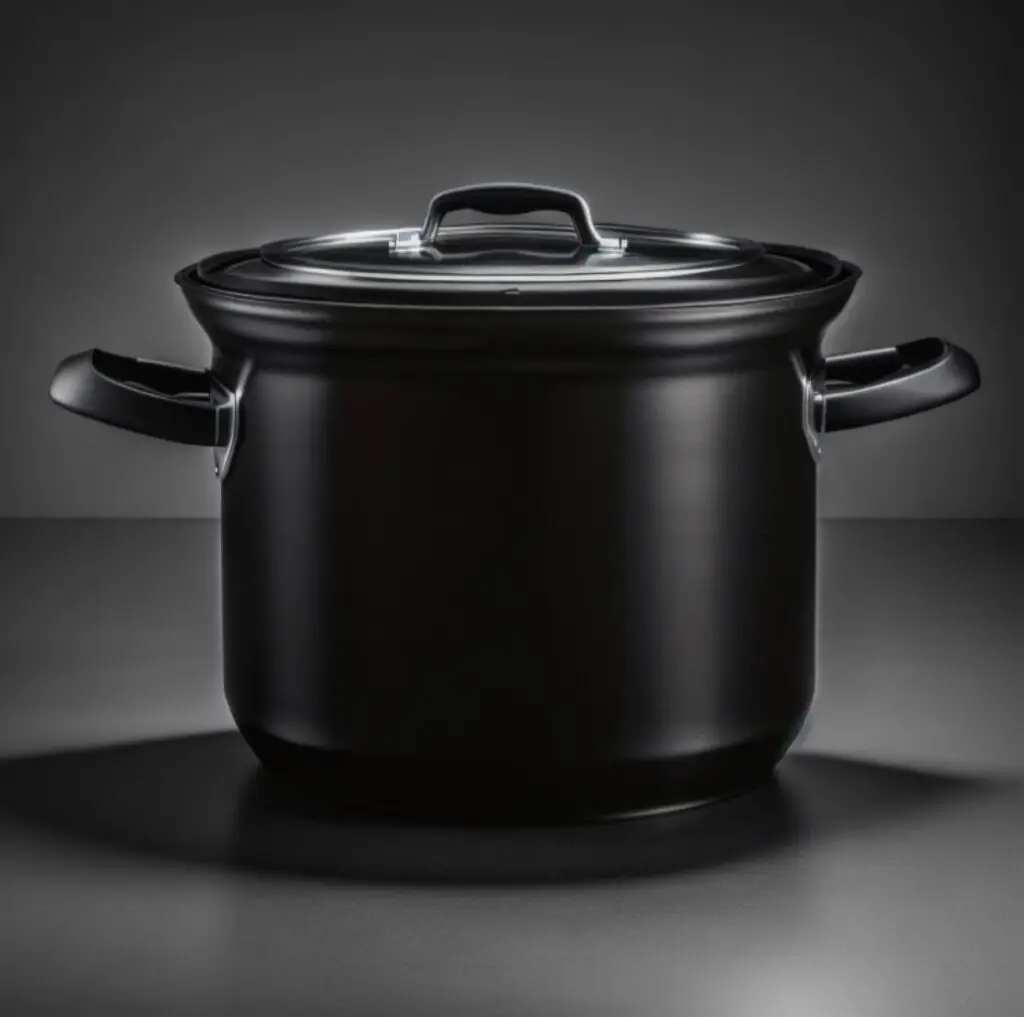
An electric pressure cooker is one of the most versatile upgrades for an Indian kitchen. It can handle dal, rajma, chole, rice, soups, steamed vegetables, eggs, and one-pot meals. For homes where cooking happens alongside work, study, or childcare, the main advantage is less active monitoring.
Many models offer preset cooking programs, timers, and keep-warm functions. You can set up rice or dal, focus on another task, and return when the cycle is complete. Instant Pot describes safety systems such as steam release, a lid lock during pressurization, temperature control, pressure control, and electrical and thermal fuses.instantpot.com
An electric pressure cooker is especially helpful for:
- Families that prepare dal or legumes several times a week
- People who batch-cook rice, curries, or meal-prep ingredients
- Beginners who want more predictable pressure cooking
- Kitchens that need a compact multi-purpose cooking appliance
However, do not buy solely for the brand name. Compare capacity with your household size. A 3-litre model can suit one or two people, while families often need a larger pot. Also check whether the inner pot, sealing ring, lid parts, and service support are easy to obtain in your area.
2. Mini Chopper for Faster Vegetable Prep
Indian cooking can involve a surprising amount of prep. Garlic, ginger, onions, tomatoes, carrots, cabbage, coriander, and small vegetable batches all take time to chop. A mini chopper is a compact solution for people who want to reduce that repetitive work.
It is best for small jobs. Use it for minced garlic, ginger, onions for a curry base, vegetables for cutlets, or ingredients for tikkis. It can also help prepare small batches of soaked soy chunks or boiled vegetables for snacks. Because it is smaller than a food processor, it usually takes less counter space and is quicker to wash after use.
When buying a mini chopper, check these details:
- Bowl material: glass bowls are often preferred by users who want to avoid food contact with plastic
- Capacity: select a size that matches small daily prep, not large family batches
- Blade quality: stainless-steel blades should be sturdy and removable for cleaning
- Motor power: enough power matters for firm vegetables, but do not overload a compact machine
- Spare parts: confirm that blades, lids, and bowls can be replaced if needed
A mini chopper does not replace a mixer grinder. It will not make smooth masalas, chutneys, or batter as effectively as a good mixer grinder. Think of it as a prep-time tool rather than an all-in-one food processor.
3. Air Fryer for Snacks, Roasting, and Reheating
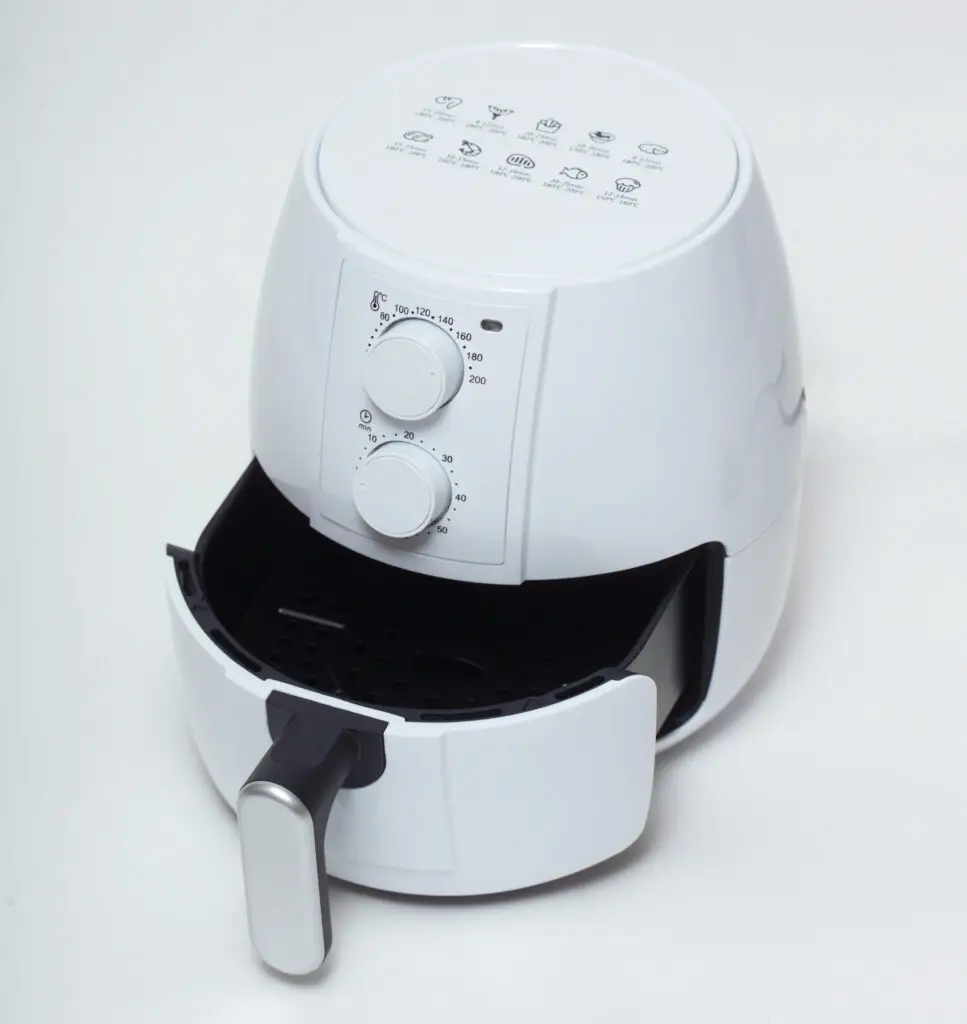
An air fryer can be a useful addition if your household often prepares tikkis, cutlets, paneer dishes, roasted vegetables, fries, or reheated snacks. It uses circulating hot air to cook and brown food with much less oil than deep frying, though results still depend on the recipe, food type, and amount of oil used.
For Indian cooking, an air fryer works well for vegetable tikkis, paneer tikka, roasted cauliflower, potatoes, makhana, and roasted brinjal for baingan bharta. It is also useful for reheating samosas, patties, cutlets, and leftover snacks that can turn soft in a microwave.
Some newer air-fryer systems use glass containers instead of standard coated baskets. For example, Ninja’s CRISPi system uses a modular glass-cooking format and includes cooking functions such as Air Fry, Bake, Roast, Dehydrate, Max Crisp, and Re-Crisp, depending on the model. The brand also promotes glass containers designed for cooking, serving, storing, and reheating food in the same vessel.
Before buying, consider:
- Capacity: Small baskets suit one or two people; family cooking may require 4 litres or more
- Countertop space: Air fryers are bulky compared with choppers
- Cleaning: Removable, dishwasher-safe parts can make frequent use easier
- Cooking style: It is better for dry snacks, roasting, and reheating than gravies or large wet dishes
- Power needs: Use a safe wall socket and avoid overloading an extension board
An air fryer is not a full replacement for a kadai, tawa, or pressure cooker. It earns its space when you regularly make snacks or want an easier roasting and reheating option.
4. Stand Mixer for Atta, Bread, and Pizza Dough
For a household that kneads atta daily, a stand mixer can save significant effort. Attach the dough hook, add flour, water, salt, and other ingredients, then let the mixer handle the kneading. It is also useful for bread dough, pizza dough, cake batter, whipped cream, and other baking tasks.
A standard stand-mixer setup often includes a dough hook, beater, and whisk. Kenwood’s official accessories range includes hooks, whisks, bowls, and other add-ons designed for its stand mixers and kitchen machines. These attachments make the appliance more flexible than a single-use dough-kneading machine.kenwoodworld
A stand mixer is worth considering if you:
- Knead atta every day for several people
- Frequently make bread, pizza bases, cakes, or cookies
- Have enough counter space for a heavy appliance
- Want one tool that supports both Indian cooking and baking
Focus on motor strength, bowl capacity, build quality, and stability. A weak mixer may struggle with stiff dough. A small bowl may be inconvenient for a larger family. Also check the warranty, repair network, and attachment availability before choosing a model.
This is not the first purchase for every home. If you make only a few rotis occasionally, kneading by hand may remain simpler. But for frequent atta preparation, a stand mixer can be among the most valuable must-have kitchen appliances for Indian homes.
5. Roti Maker for Occasional Convenience
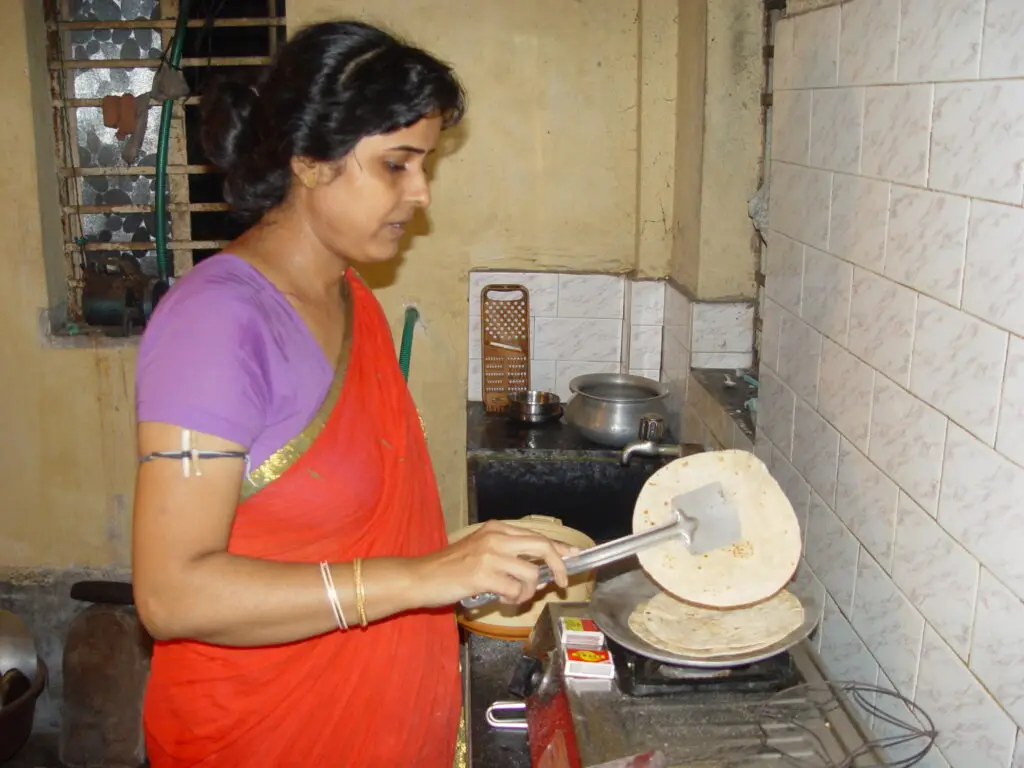
A roti maker appeals to anyone who wants faster rotis with less rolling. It can be useful during busy mornings or when you need a quick backup option. However, it is important to have realistic expectations before purchasing one.
A roti maker requires practice. Dough consistency matters, and slightly flattening the dough ball before pressing can improve results. Freshly made rotis usually taste best straight from the appliance. Once they cool, they may become firmer or chewier than gas-stove phulkas.
A roti maker may suit:
- Busy households that need quick rotis sometimes
- Students or working professionals with limited cooking time
- People who prefer convenience over perfect traditional phulka texture
- Kitchens using induction where roti-making can feel less convenient
It may not suit people who expect every roti to puff like a hand-rolled phulka. It also will not replace a tawa for parathas, bhakris, or many other Indian flatbreads. Buy it as a convenience appliance, not as a complete roti solution.
Check plate size, heating performance, hinge quality, warranty coverage, and user reviews that include long-term feedback. A good roti maker should be easy to operate, simple to clean, and backed by reliable service.
Internal link opportunity: Link “best roti makers in India” to a roundup of models categorized by budget and household size.
Which Appliance Should You Buy First?
The right priority depends on the task you repeat most often.
| Your daily problem | Start with | Why it may help |
|---|---|---|
| Dal, rice, beans, and batch meals take too much attention | Electric pressure cooker | It can automate pressure cooking and keep food warm after cooking. instantpot.com |
| Chopping slows down sabzi and snack preparation | Mini chopper | It speeds up small prep jobs such as garlic, onions, and vegetables |
| You often make fried snacks or reheat leftovers | Air fryer | It supports hot-air cooking, roasting, and re-crisping on compatible models. sharkninja.co+1 |
| You knead atta every day | Stand mixer | A dough hook can reduce manual kneading work. kenwoodworld |
| You need a quick roti backup | Roti maker | It can make rotis with practice, but texture can differ from hand-made phulkas |
Avoid These Buying Mistakes
Do not choose an appliance only because it is popular online. Start by asking: “Will I use this at least two or three times a week?” If the answer is no, it may end up occupying your counter or cupboard.
Avoid buying too small or too large. A tiny air fryer can be frustrating for a family, while a large stand mixer may be wasteful for a person who makes dough once a week. Measure your countertop and storage space before placing an order.
Also verify service coverage in your city. Appliances with seals, heating elements, bowls, blades, and attachments need replacement parts over time. A lower-priced model with no nearby support can cost more in the long run.
Finally, consider cleanup. An appliance that takes longer to wash than the task it saves may not become part of your routine. Choose removable, easy-to-clean parts and read the care instructions before use.
Build a Practical Indian Kitchen Setup
The best kitchen setup does not include every gadget. It includes a few tools that make your own daily cooking more manageable. Start with the pain point that costs you the most time: pressure cooking, vegetable prep, low-oil snacks, atta kneading, or roti making.
For many households, an electric pressure cooker or mini chopper delivers the widest day-to-day value. Add an air fryer if snacks and roasting are common. Choose a stand mixer when regular atta kneading justifies the counter space. Treat a roti maker as a convenient extra rather than an essential replacement for traditional rotis.
Before buying, compare the latest price, capacity, verified customer reviews, warranty, and service availability in your pin code. Then choose the appliance that will genuinely earn its place in your kitchen.
3 Replies to “5 Must-Have Kitchen Appliances for Indian Homes”
[…] Here is how to decide which option best fits your lifestyle and culinary routine, alongside other 5 must-have kitchen appliances for Indian homes that streamline daily domestic […]
[…] processor can substitute for a mixer grinder, but they’re built for different jobs. As our guide to must-have kitchen appliances for Indian homes points out, a mini chopper handles small prep tasks like mincing garlic or onions well, but it […]
[…] you are building a complete kitchen from scratch, our list of 5 Must-Have Kitchen Appliances for Indian Homes covers the essentials beyond […]