
With LPG cylinder prices hovering above ₹900 and refill cycles getting shorter every month, Indian kitchens are asking a hard question: is it time to switch to an induction cooktop? The answer is not a simple yes. Induction cooking is faster, safer, and cleaner than an open flame, but it also demands compatible vessels, stable power, and a change in cooking habits. This induction cooktop buying guide India edition walks you through the real costs, the practical trade-offs, and the seven checks that separate a useful purchase from an expensive mistake.
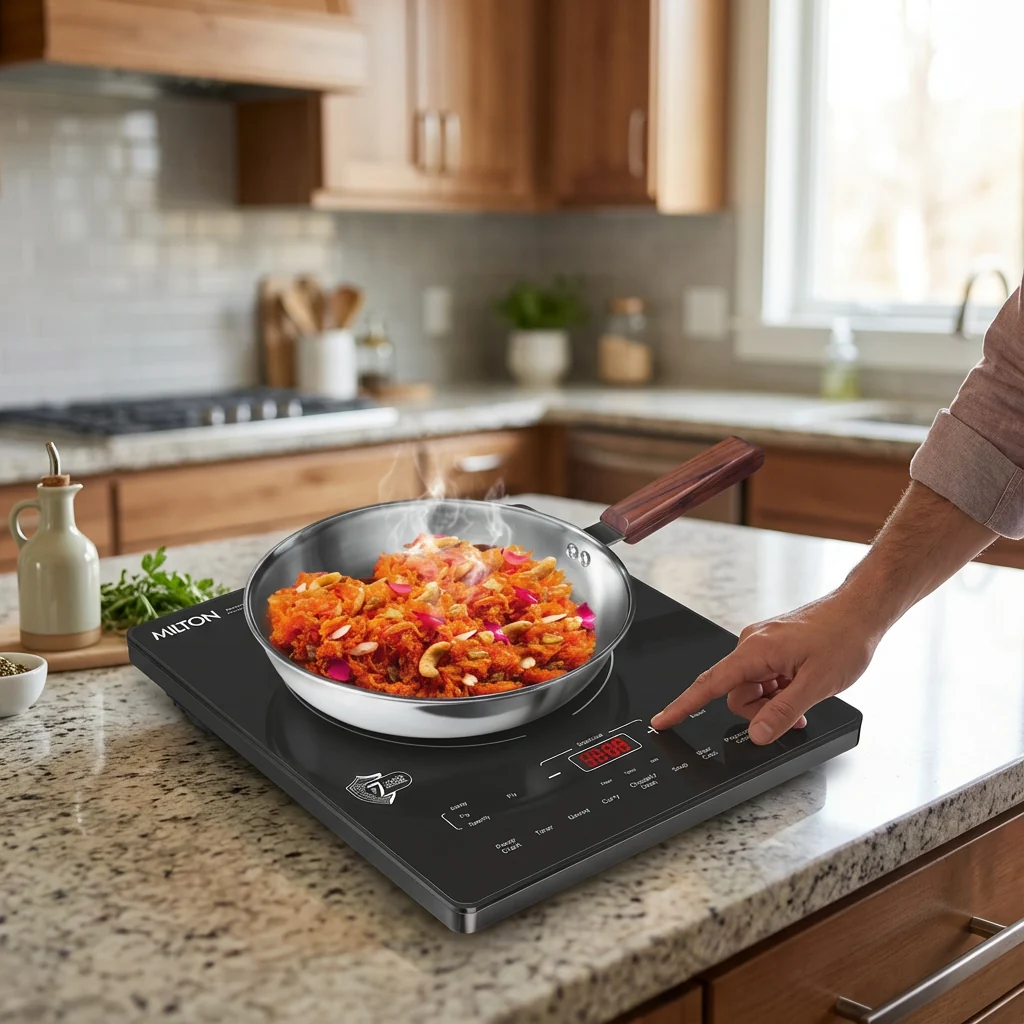
The Real Question: Should You Switch from Gas to Induction?
Most buyers start with the math. A standard 14.2 kg LPG cylinder in metro cities now costs between ₹900 and ₹1,100. A family of four typically finishes one cylinder every four to six weeks. That places your monthly cooking fuel cost in the range of ₹650 to ₹950.
An induction cooktop draws 1,800W to 2,000W during active cooking. If you run it for roughly 90 minutes of actual cooking each day, you consume about 3 kWh of electricity. At an average residential tariff of ₹6 to ₹8 per unit across Indian cities, your daily spend is ₹18 to ₹24, or roughly ₹540 to ₹720 per month.
Induction can edge out gas on running costs, but the margin is slim unless you cook heavily. The bigger advantages are speed, safety, and comfort. An induction burner boils water in roughly half the time of a gas flame. It releases almost no ambient heat, which matters in Indian summers. And there is no open flame, which reduces burn risk and kitchen soot.
However, induction is not a full replacement for every Indian cooking style. Deep tadka in a small round-bottom tadka pan is awkward on a flat induction surface. A large handi or traditional kadai with a curved base will not work unless you buy an induction-compatible flat-bottom version. And when the power goes out, induction stops instantly, unlike gas.
How Induction Cooktops Actually Work
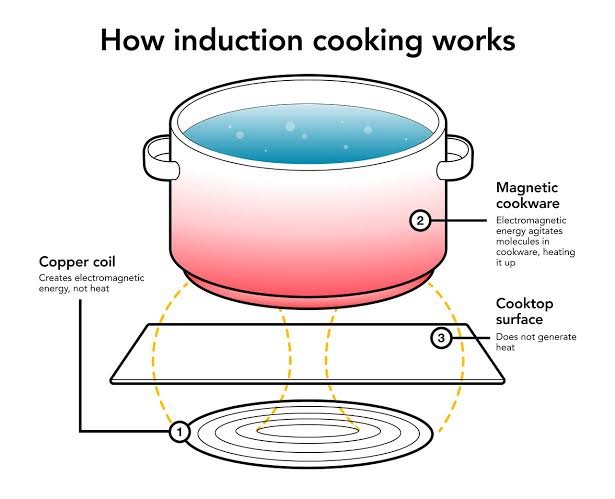
Induction does not heat the cooktop surface directly. An electromagnetic coil beneath the ceramic glass generates a rapidly alternating magnetic field. When you place flat, ferromagnetic cookware on top, the field induces eddy currents inside the metal, and the cookware itself becomes the heat source. The glass stays relatively cool except where the hot pan touches it. This is why induction is roughly 90 percent efficient at converting electricity into cooking heat, compared to 40 to 50 percent for a gas flame.
7 Key Checks Before Buying an Induction Cooktop in India
Wattage: Why 1800W–2200W Matters for Indian Cooking
Indian cooking involves pressure cookers, large tadka pans, and occasional deep frying. A 1,200W induction plate will boil milk slowly and struggle with a full pressure cooker. Look for at least 1,800W. Models rated at 2,000W or 2,200W handle daily Indian cooking without frustrating delays. Check the actual continuous power rating, not just the peak or boost figure mentioned on the box.
Coil Type and Glass Panel Durability
The coil diameter determines how evenly heat spreads across the base of your pan. A small coil under a large dosa tawa creates hot spots. Look for models that specify a coil size of at least 16 cm to 18 cm. The glass panel should be toughened ceramic, rated for thermal shock. Indian cooking often involves sliding heavy pans across the surface, so scratch resistance matters more here than in European markets.
Preset Modes vs Manual Control
Most induction cooktops sold in India come with preset modes for dosa, chapati, curry, boil, and fry. These are convenient for beginners but often run at fixed power levels that may not match your recipe. A manual temperature or power slider gives you finer control. If you cook diverse regional cuisines, prioritize manual control. If you want quick one-touch operation for standard tasks, presets are useful.
Safety Features That Actually Matter
Auto shut-off when no pan is detected prevents the coil from running dry and damaging the electronics. Overheat protection cuts power if the internal temperature crosses safe limits. A child lock prevents accidental power changes. Voltage surge protection is critical in areas with fluctuating supply, which is common in tier-2 and tier-3 Indian towns. Do not pay extra for gimmicks like Bluetooth or app control on a basic induction cooktop; the money is better spent on coil quality.
Vessel Compatibility: The Hidden Cost
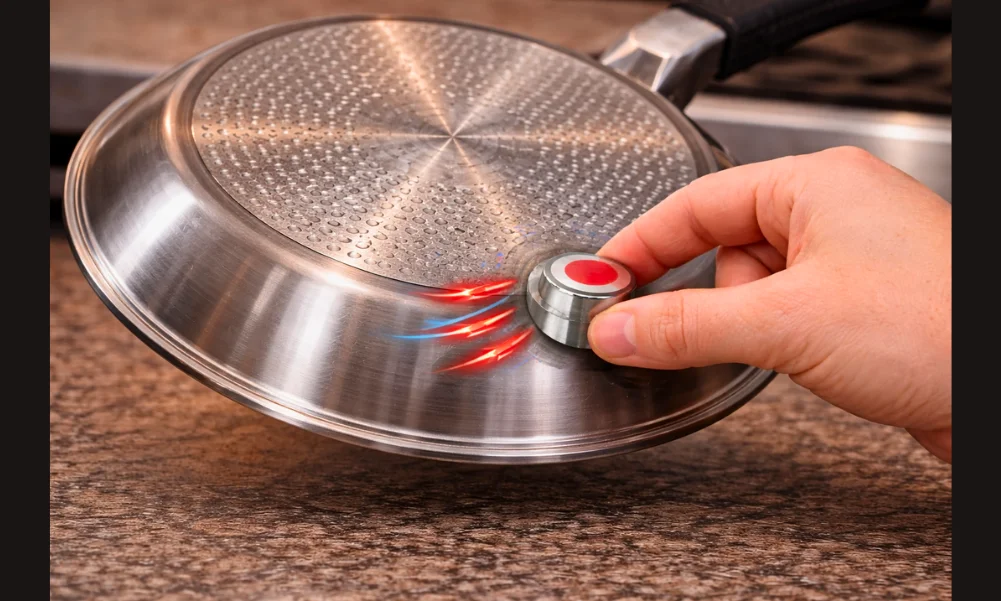
This is the detail that surprises first-time buyers. Induction works only with ferromagnetic cookware. Your aluminium kadai, copper-bottom handi, and glassware will not heat. Test your existing vessels with a simple magnet. If the magnet sticks firmly to the base, the vessel is compatible. If not, budget for new flat-bottom stainless steel or cast-iron pans. This hidden cost can add ₹1,500 to ₹3,000 to your initial switch.
Build Quality and Brand Service Networks
Induction cooktops are not complex machines, but coil failure and glass cracks are the two most common service issues. Brands like Philips, Prestige, Havells, Bajaj, and Usha have service centers in most Indian districts. Before you buy, check whether the brand offers doorstep service in your pin code. A one-year warranty is standard; some brands extend the coil warranty to two years. Read the warranty terms to confirm whether glass breakage from thermal shock is covered.
Budget Segments and What to Expect
Under ₹2,500: Basic 1,800W models with preset menus and standard glass. Suitable for students, bachelors, or as a secondary cooking station. Expect shorter coil life and limited service reach.
₹2,500 to ₹4,000: The sweet spot for most Indian families. You get 2,000W to 2,200W power, better glass, manual plus preset controls, and wider service networks. This is where reliability meets value.
Above ₹4,000: Premium models with larger coils, better surge protection, and finer temperature control. Worth considering only if you use induction as your primary cooking source and need durability under daily heavy use.
If you are building a complete kitchen from scratch, our list of 5 Must-Have Kitchen Appliances for Indian Homes covers the essentials beyond cooking.
Who Should Buy an Induction Cooktop
You should consider induction if you cook daily and want faster boil times. It is a strong choice if you live in a small apartment without piped gas access, or if kitchen ventilation is poor and you want less ambient heat and soot. Induction also works well as a reliable backup when the gas cylinder runs out mid-week. It is an excellent primary option for rented homes where installing a gas connection is difficult.
Who Should Avoid It (and Stick to Gas)
Avoid switching fully to induction if you rely heavily on round-bottom tadka pans and traditional handis that are not induction-friendly. If your area faces daily power cuts of several hours, induction will frustrate you. Households with elderly cooks who are uncomfortable with digital controls may also struggle. And if you expect massive fuel savings, reconsider. Induction saves money at the margin, but it is not a dramatic cost cutter.
Even with induction, ventilation matters. Read our Filterless vs Baffle Filter Chimney comparison to pick the right chimney type for your kitchen.
Maintenance Tips to Extend Cooktop Life
Clean spills immediately. Sugar and starch can bake onto the glass and etch the surface if left unattended. Use soft cloths, not abrasive scrubbers. Avoid dragging heavy pans; lift and place them. Keep the ventilation slots free of grease and dust, especially in Indian kitchens where oil vapours are heavy. If you live in an area with voltage fluctuations, use a good quality stabilizer rated for the cooktop’s wattage. This small addition protects the coil and control board from early failure.
Frequently Asked Questions
Can I use my existing non-stick tawas on an induction cooktop? Only if the base is flat and ferromagnetic. Place a magnet on the base. If it sticks firmly, it will work. Curved or aluminium-only tawas will not heat.
Does induction consume more electricity than a hot plate? No. Induction is roughly twice as efficient as a resistive hot plate because the heat is generated inside the pan itself, not transferred from a heating element.
Is induction cooking safe for health? Yes. Induction produces no combustion by-products like carbon monoxide or nitrogen oxides. The electromagnetic field is localized and drops off rapidly with distance. Standard pacemaker manufacturers advise keeping the device 30 cm to 60 cm away from an active induction coil as a precaution.
Can I run an induction cooktop on an inverter during a power cut? A standard 2,000W induction cooktop draws roughly 9A at 220V. Most home inverters are not sized for this load. You would need a high-capacity inverter and battery bank, which is usually impractical. Keep a small gas backup for outages.
Timing your purchase around sale events can stretch your budget further. See our checklist for Buying Appliances During India’s Freedom Sale.
One Reply to “Induction Cooktop India 2026: 7 Checks Before You Switch”
[…] setting up a full Indian kitchen rather than a single appliance, our mixer grinder buying guide and induction cooktop guide cover two other appliances most kitchens sort out around the same time. And if you’re timing […]