

Flipkart’s Freedom Sale opens August 8, and Amazon’s Great Freedom Festival runs the same week — which means split AC buying guide india listings are about to flood your feed with “50% off” banners. It’s tempting to grab whatever has the biggest discount sticker.
That’s how people end up with a 2-ton AC struggling to cool a 100 sq ft bedroom, or a 1-ton unit running non-stop in a sun-facing hall. This split AC buying guide walks through the checks that actually decide whether you’re happy with the unit a year from now — tonnage, star rating, warranty, and the costs nobody mentions until installation day.

Check 1: Confirm a Split AC Is Actually the Right Fit
Split ACs dominate Indian sales for good reason — the compressor sits outside, so the indoor unit stays quieter, and cooling tends to be more even than a window unit’s single-box design. But that quiet comes with commitments: wall drilling, a spot for the outdoor unit, and professional installation.
If you’re renting, relocating within a year or two, or can’t drill through a shared wall, a split AC isn’t automatically the better choice. We’ve covered the no-installation alternative in our portable AC buying guide — worth a look before you commit to a split unit.
Check 2: Match Tonnage to Your Room, Not Your Budget
Tonnage is the single most-argued-about spec, and it’s also the easiest to get wrong in either direction. An undersized AC runs constantly and never quite cools the room. An oversized one cools too fast, shuts off, restarts, and wears out sooner from the short-cycling.
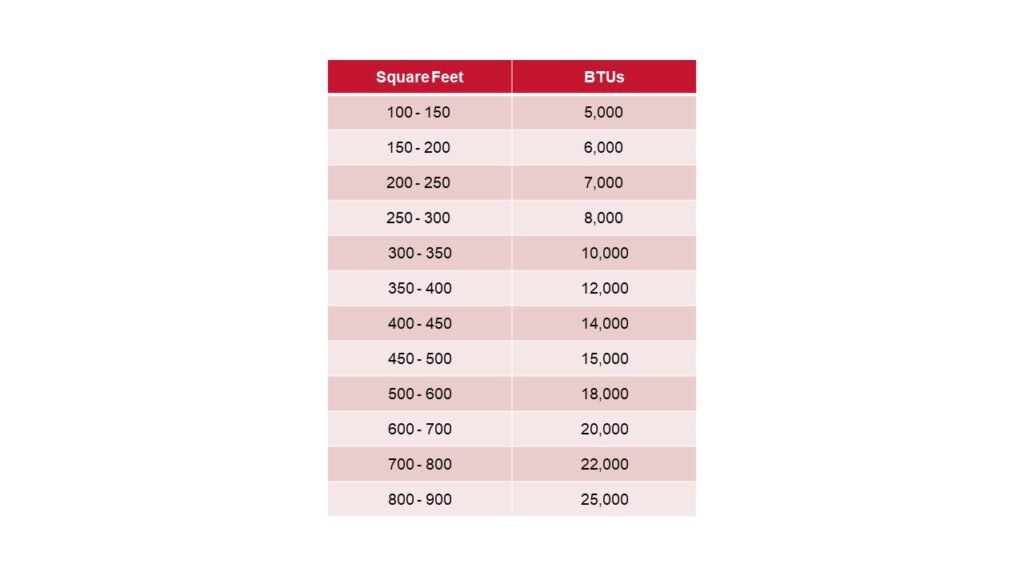
As a starting reference for standard 9–10 ft Indian ceilings:
- Up to 120 sq ft (small bedroom): 1 ton
- 120–180 sq ft (master bedroom, small living room): 1.5 ton
- 180–250 sq ft (larger living room): 2 ton
Add roughly half a ton if the room faces strong afternoon sun, sits on the top floor, or regularly holds more than 3–4 people. When your room size falls right on a boundary, size up rather than down — a slightly oversized AC is a smaller problem than an undersized one running flat out every afternoon.
Check 3: Inverter vs Non-Inverter
Inverter compressors adjust their speed to match cooling demand instead of switching fully on and off. In practice, that means steadier temperatures, less noise from constant cycling, and lower electricity bills over the AC’s life — enough that most Indian brands now sell inverter as the default, with non-inverter models mainly surviving at the lowest price points.
Non-inverter units cost less upfront and are simpler to repair locally. If you’ll run the AC for only an hour or two on rare hot nights, that lower purchase price may outweigh the running-cost gap. For daily multi-hour use — which describes most bedroom and living-room ACs — inverter earns back the price difference within a couple of summers.
Check 4: Read the 2026 BEE Star Label Properly
The Bureau of Energy Efficiency tightened its efficiency thresholds from January 1, 2026, and the practical effect catches a lot of buyers off guard: a model that would have earned 5 stars under the old rules is often relabelled 4 stars now, with similar downward shifts across the other bands. The AC itself didn’t get less efficient — the bar to earn each star simply moved up.
This matters most if you’re comparing a 2025-dated unit against a 2026-dated one on a sale listing; the star counts aren’t directly comparable across that boundary. Rather than trusting the star count alone, check the ISEER value and label validity date printed on the BEE sticker itself, and use the official BEE Star Label portal to verify how a specific model’s rating was calculated.
Check 5: Decide If Convertible Cooling Is Worth Paying For
Convertible or multi-stage models let the compressor run at a reduced capacity — say 40% to 100% — rather than only full power or off. That flexibility helps in rooms where occupancy or weather swings a lot: a living room that holds 2 people most evenings and 8 during gatherings, for instance.
If your room’s usage is fairly constant — a bedroom used by the same one or two people every night — a standard inverter AC delivers most of the same comfort for less money. Save the convertible feature for the room where cooling demand genuinely varies.
Check 6: Check Airflow and Noise, Not Just the Star Rating
Two ACs with identical tonnage can cool very differently depending on air throw — how far and how evenly the indoor unit pushes cool air across the room. A unit with weak air throw leaves corners noticeably warmer, especially in longer or L-shaped rooms.
For noise, most inverter split ACs sit in a similar band — roughly low-30s dB at low fan speed, climbing a little at maximum airflow. If the AC will run overnight in a bedroom, ask to see the noise-level spec at low speed specifically, since showroom demos usually run units at higher, noisier settings.
Check 7: Compare Warranty Structures Line by Line
Most Indian brands follow a similar warranty skeleton: 1 year comprehensive on the whole unit, 5 years on the PCB, and 10 years on the compressor. The details inside that structure vary more than the headline numbers suggest.
Before you buy, check specifically:
- Whether “comprehensive” means parts and labour, or parts only after year one
- Whether gas refilling is covered if the compressor or coil is replaced
- Whether the warranty is void if installation isn’t done by an authorised technician
A model with a shorter compressor warranty but full parts-and-labour coverage can work out better than one with a longer warranty that only covers the part itself.
Check 8: Budget for Installation and Running Cost, Not Just the Sticker Price
Basic split AC installation in India typically runs ₹1,500–₹3,500, and brands often advertise this as free or discounted during sale periods. What isn’t always free: extra copper piping if your outdoor unit sits more than a few metres from the indoor unit, a wall-mounting bracket for the outdoor unit, and any additional wall drilling. Together, these extras commonly add another ₹1,000–₹2,000 to the installation-day bill.
Running cost matters just as much over the AC’s lifetime. A 5-star inverter unit can use meaningfully less electricity per hour than a 3-star model of the same tonnage — a gap that adds up quickly if you run the AC for 6-plus hours a day through an Indian summer.
Who Should Buy a Split AC — and Who Shouldn’t
Buy a split AC if you own the home or have long-term rental stability, need to cool a bedroom or living room for several hours daily, and want quieter indoor operation than a window unit offers.
Consider skipping it if you move frequently, can’t get outdoor-unit placement approved by your landlord or society, or only need occasional cooling in a small space — a portable or window AC may serve you better for less commitment.
Buying During Sale Season
If you’re planning to buy around the Freedom Sale window, price-comparing across brands is only half the job — installation timelines also stretch during peak sale weeks as technicians get booked out. Our appliance sale-season checklist covers what to verify before you click “buy,” from warranty registration to return windows.
Frequently Asked Questions
Is a 1.5 ton AC enough for a 150 sq ft room? Yes, 150 sq ft sits comfortably within the standard 1.5-ton range for Indian homes, assuming a normal 9–10 ft ceiling and no unusual heat load.
Does a higher star rating mean faster cooling? No. Cooling speed depends on tonnage and airflow, not star rating. Star rating reflects electricity efficiency over a season, not how quickly the room cools.
Is inverter AC worth the extra cost for occasional use? Not always. If you’ll run the AC only a few hours on rare hot days, the running-cost savings take longer to offset the higher purchase price.
Can I install the outdoor unit far from the indoor unit to save wall space? You can, but every extra metre of copper piping adds to the installation cost and can slightly reduce cooling efficiency. Keep the run as short as practical.
2 Replies to “Split AC Buying Guide India: 8 Checks Before You Buy”
[…] it’s also worth knowing that some air conditioners now include built-in filtration — our split AC buying guide covers what those filters can and can’t do compared to a dedicated […]
[…] Also check Split AC Buying Guide India: 8 Checks Before You Buy […]